At the Guidance and Counseling Development Association (GCDA) Gombe, we believe every woman deserves the autonomy to plan her family with dignity, confidentiality, and ease. In the third year of the CODSAiN project (November 2024 – October 2025), we've turned that vision into reality across Gombe State's 11 Local Government Areas (LGAs). From rural hard-to-reach communities to bustling artisan networks, our "self-care with confidentiality" approach—powered by DMPA-SC self-injection (SI)—has driven a remarkable surge in contraceptive access and uptake. Here's the story of our progress, challenges, and the unstoppable momentum toward a healthier Gombe.
Rising CPR and Self-Injection Triumphs
Gombe State's Contraceptive Prevalence Rate (CPR) has climbed steadily from 17.1% in 2018 to 31% (DHIS 2023–2024), and CODSAiN Year 3 played a pivotal role in sustaining this growth. The star innovation? DMPA-SC self-injection, which empowers women to administer their contraception at home, on their schedule.
CHIPS Agents as Community Heroes: We doubled our Community Health Improvement Program (CHIPS) agents from 55 to 110, achieving full ward-level coverage across the state. These trusted local champions supported 72.9% of all self-injection initiations, delivering services with privacy and cultural sensitivity.
Outreach That Reaches Everyone: We conducted outreaches in 84 communities, aligning with market days, naming ceremonies, and weddings. In-reach sessions at community gatherings reduced barriers, while flexible hours and gender-sensitive provision made services inclusive.
Artisan Women Leading the Charge: Engaged 33 artisan women groups (3 per LGA) in "self-injection game changer" sessions using the simple MAPS strategy (My Autoinjector, My Plan, My Safety). Result? Skyrocketing confidence in self-care among working women.
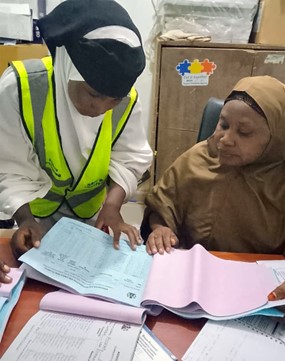
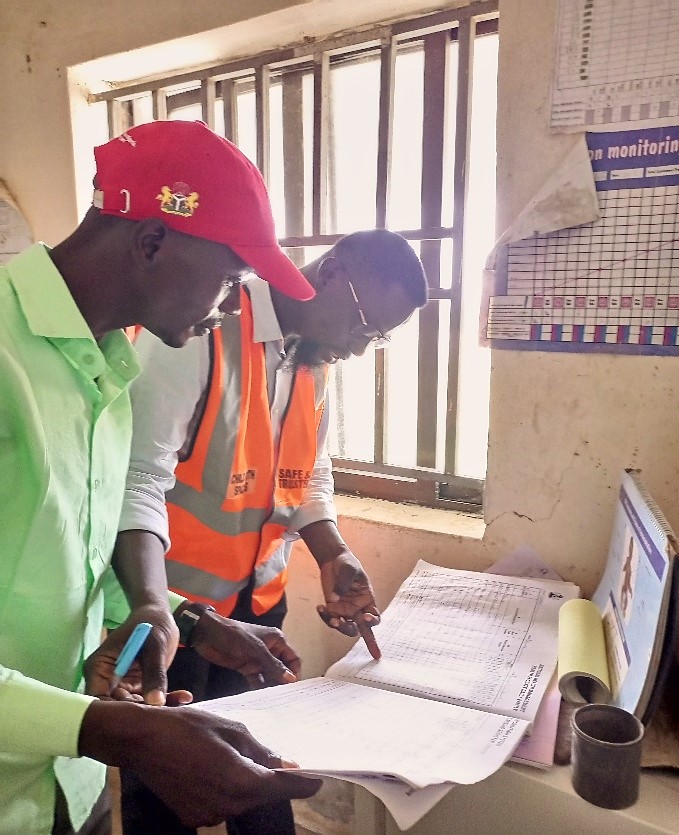
Supervision for Excellence: Partnered with state teams for Integrated Supportive Supervision Visits (ISSVs) to 60 Primary Health Care Centers (PHCCs) in Akko, Kwami, Gombe, and Yamaltu/Deba LGAs. Plus, 382 facility-level supportive supervisions and 55 provider cluster meetings ensured top-notch data quality, commodity accountability, and on-the-job training.
These efforts dispelled myths at "majalisa" (community gatherings) and "mai shayi" (tea spots), proving informal channels outperform printed materials in low-literacy areas. We also commemorated World Contraceptive Day, liaised with the Logistics Management Coordination Unit (LMCU) to boost commodity allocations, and harmonized data at the state control room—minimizing stock-outs and maximizing impact.
Key Results: From Access to Autonomy
Our thematic wins paint a picture of systemic change:
| Thematic Area | Key Outputs & Achievements |
|---|---|
| Service Delivery & Access | Expanded DMPA-SC/SI to all 11 LGAs; surged new acceptors and reinjections; integrated with community events for barrier-free access. |
| Community Systems Strengthening | CHIPS agents drove SI adoption; effective referrals to facilities; sensitized religious/community leaders; local-language IEC materials boosted understanding. |
| Community-Initiated SI | Home-based/mobile outreaches ensured confidentiality; increased % of new FP acceptors via trusted CHIPS. |
| Demand Generation | Outreaches + artisan peer networks dispelled misconceptions; "hotspot" mobilization in Dukku and Funakaye LGAs spiked uptake. |
| Quality Assurance | 382 supervisions + 55 cluster meetings; tracked performance with NHMIS tools; addressed data gaps and safety monitoring. |
Capacity building was non-stop: Cascade training for Deputy M&Es and data clerks on CODSAiN dashboard uploads; On-the-Job Training (OJT) for 84 facility staff on MAPS to counter staff attrition.
Challenges We Overcame—and Lessons That Guide Us
No journey is without hurdles.
Stock-outs threatened continuity, provider hesitancy in rural LGAs (especially
for new SI acceptors) slowed initiation, and low awareness in areas like
Billiri, Nafada, and Kwami lagged behind urban centers. Mitigation in Action:
Proactive advocacy with LMCU
secured more DMPA-SC supplies.
Focused outreach and ISSVs built providers' confidence through spot checks and OJT.
Doubled CHIPS agents to blanket
underserved wards.
Lessons Learned:
CHIPS Agents are the Engine:
Scaling to 110 was our biggest win—community trust unlocks self-care.
Integrated Supervision Builds
Ownership: State-led ISSVs improved quality and buy-in.
Informal Spots > Print:
Majalisa and mai shayi gatherings crushed myths where literacy is low.
Commodity Security First: Advocacy must be proactive, not reactive.
Sustainable Recommendations
To amplify impact in Year 4:
Institutionalize State-Led ISSVs:
Shift planning/funding to the Ministry of Health for longevity.
Scale Hotspot Toolkit: Standardize
demand generation at community spots; train all CHIPS.
Last-Mile Supply Chain: Partner
with LMCU for direct DMPA-SC delivery to agents.
Deepen Artisan Networks: Train
groups as SI peer educators.
Provider Mentorship: Pair rural hesitant with urban champions.
A Foundation for the Future
CODSAiN Year 3 has cemented DMPA-SC self-injection as a game-changer in Gombe's family planning ecosystem. By embedding in state systems, empowering CHIPS agents, and innovating community engagement, GCDA has fueled CPR growth and women's autonomy. With resolved commodity flows and scaled strategies, Gombe is poised for even greater reproductive health gains.Data Highlights (DHIS2 Dashboard, Oct '24 – Aug '25): Cumulative SI uptake soared; CHIPS contributed the lion's share of clients. [Annex visuals available in full report.]Join us in celebrating self-care with confidentiality. Together, we're building a Gombe where every woman thrives on her terms. For partnerships or more details, contact GCDA Gombe today!Submitted by Pharm. Yakanacha Gaius, October 10, 2025
