A 6-month achievement report from the Special Education Centre in London Maidoruwa, Gombe State, where a solar-powered borehole and a caregiver savings group are now working together to keep girls in school.
Special Education Centre, London Maidoruwa · Project Achievement Report
For years, water shortages at the Special Education Centre in London Maidoruwa meant more than dry taps. When the borehole failed or the grid cut out, classes stopped, and the burden of finding water fell hardest on girls and the women who care for them. Over the past six months, a project built around two simple goals — reliable water and economically empowered caregivers — has begun to change that picture for more than 600 students.
600+
Students benefiting at the Special Education Centre
25
Female caregivers trained & economically empowered
24/7
Solar-powered borehole operation achieved
0
School interruptions reported since installation
1
Functional VSLA, 25 active members
8
Maintenance committee members trained
Two goals, one water point
The project was built around a simple theory of change: fix the water, and free up the women who keep girls in school.
The project set out with two objectives: reduce interruptions to girls' education caused by water shortages, and economically empower 25 female caregivers to support girls' education. Six months on, both threads have come together at a single water point — a rebuilt, solar-powered borehole that now anchors both the school's daily routine and a newly formed women's savings group.
From six hours a day to twenty-four
A hybrid AC-DC solar borehole replaces an unreliable grid-only pump.
The centrepiece of the intervention is a hybrid AC-DC solar borehole installation, completed alongside a full renovation of the pump house. Where the old system ran on grid power alone — unreliable, and delivering water for at most six hours a day — the upgraded 2HP AC/DC solar pump now keeps water flowing around the clock, eliminating the closures that water scarcity used to cause.
Before intervention
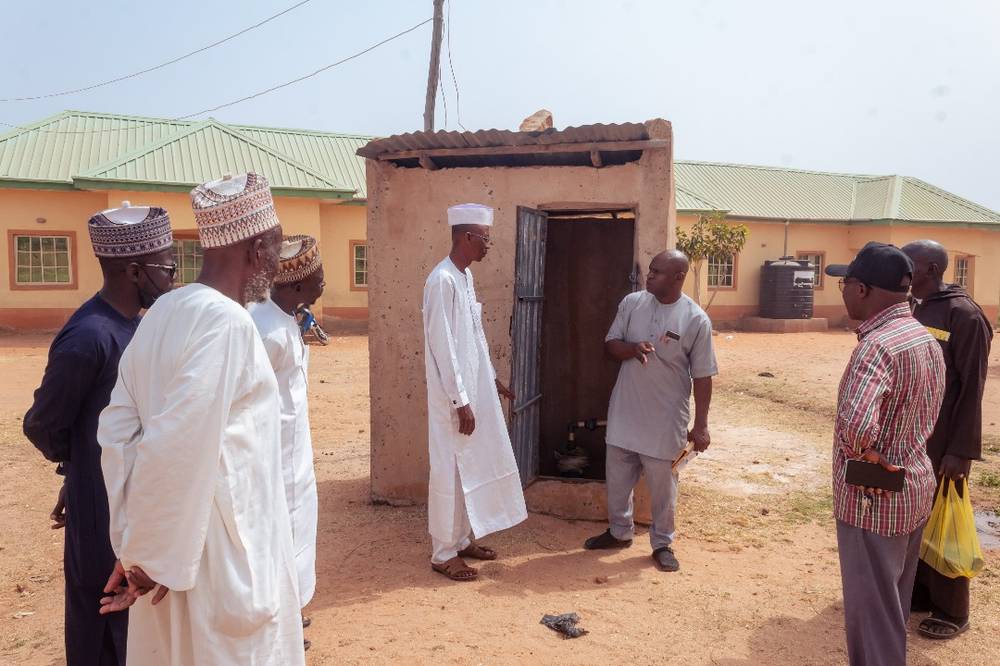
The aging pump house prior to renovation.
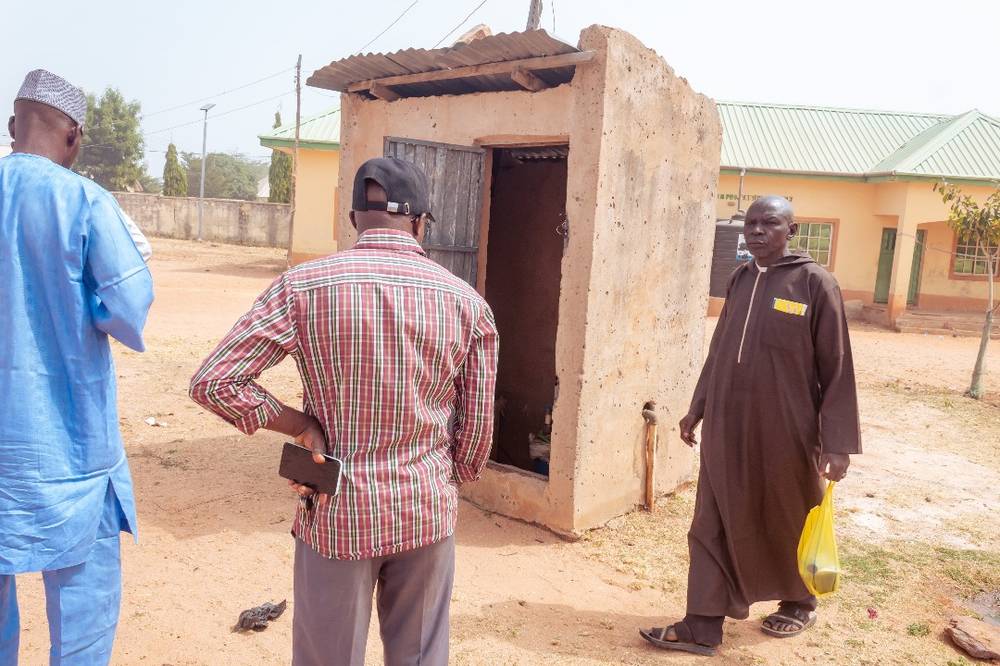
The school borehole before intervention, no longer able to reliably serve the centre.
During intervention
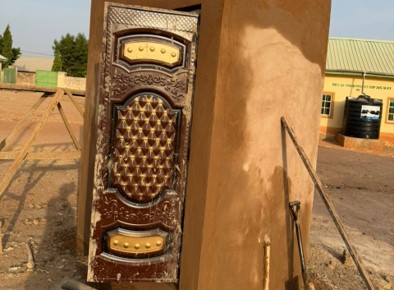
Borehole site under construction.
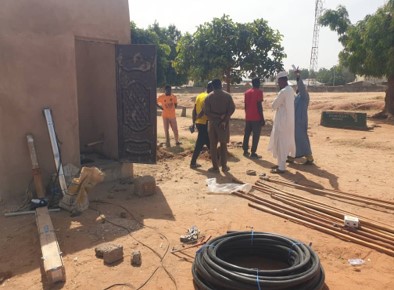
Installation of the hybrid solar system in progress.
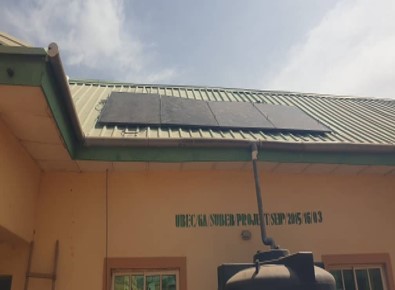
Pump house renovation work in progress.
After intervention
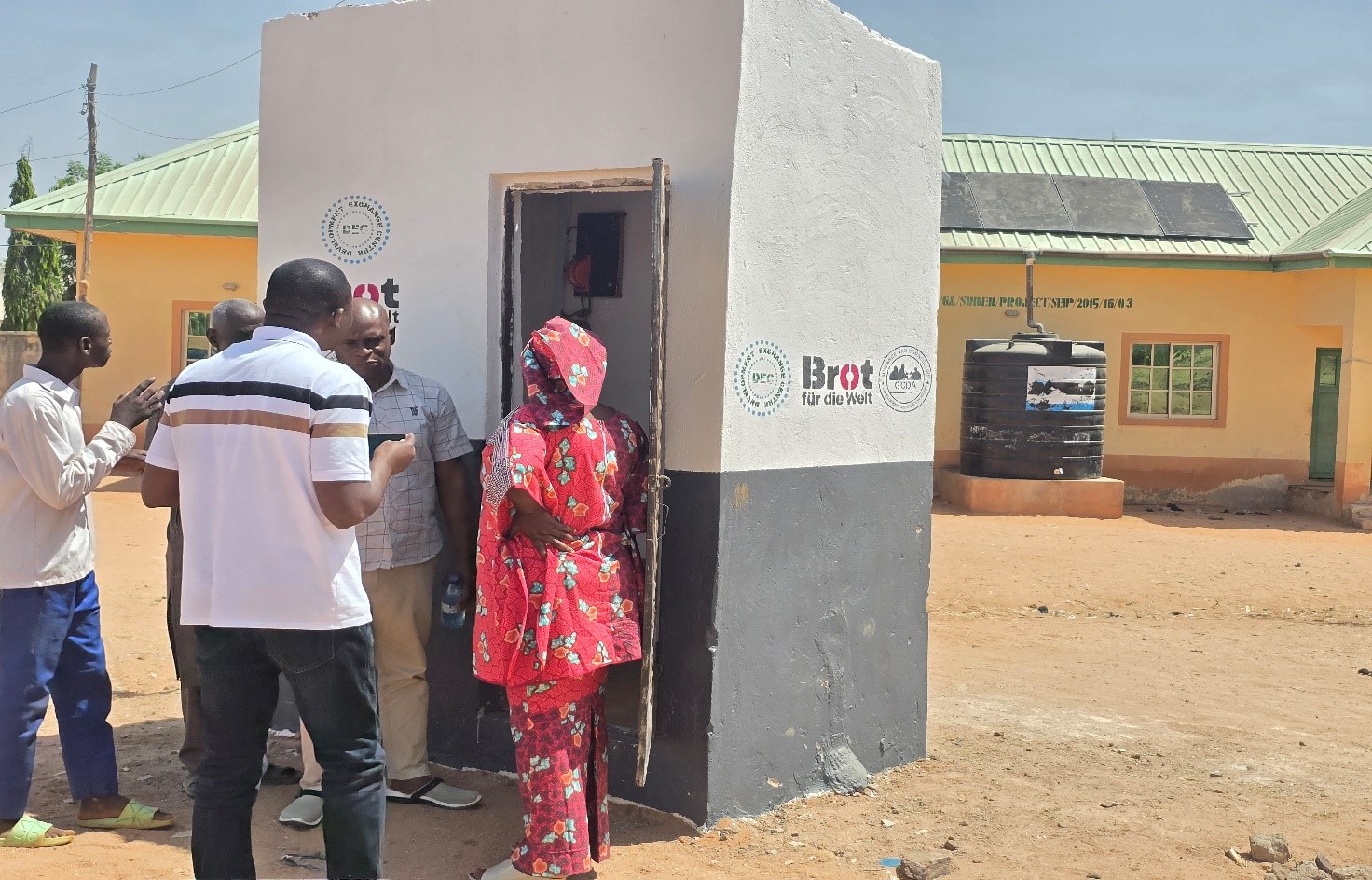
A caregiver at the new solar pump enclosure, branded with project partner logos.
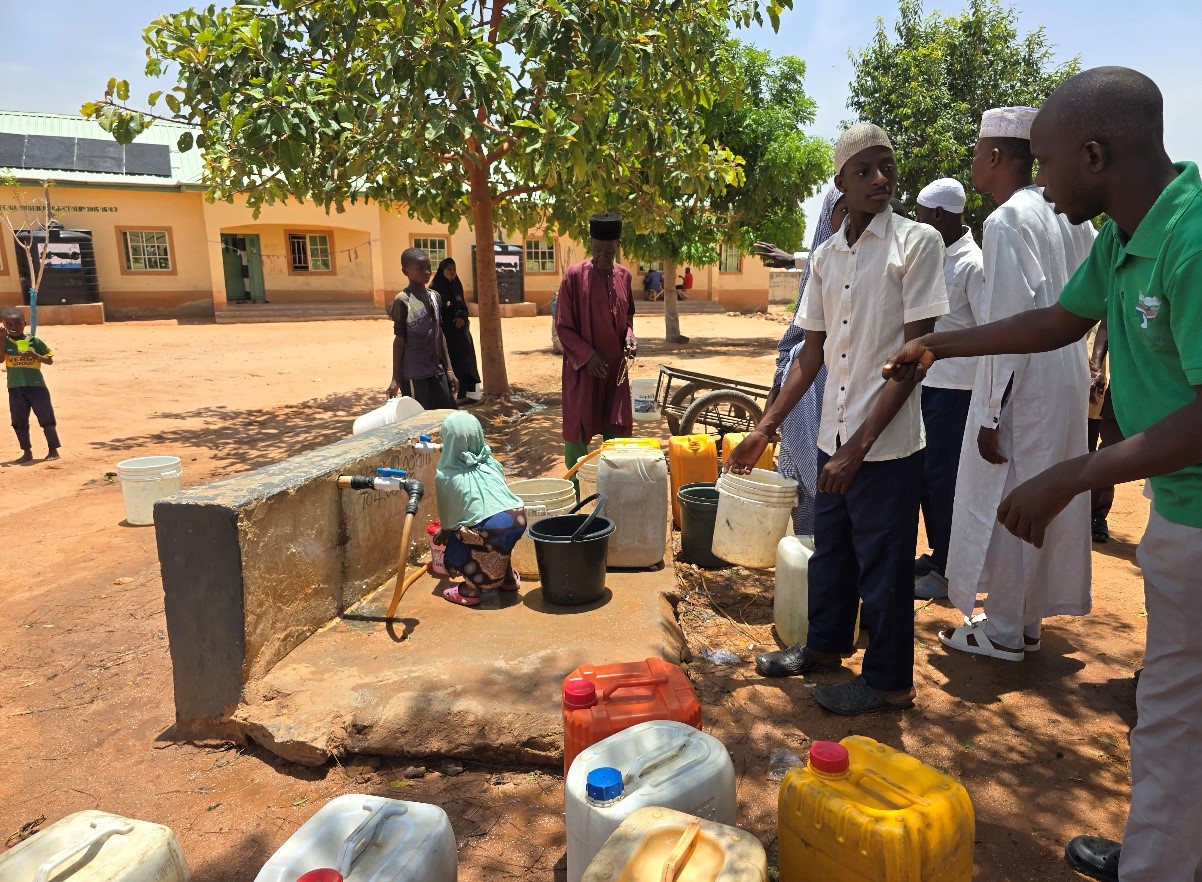
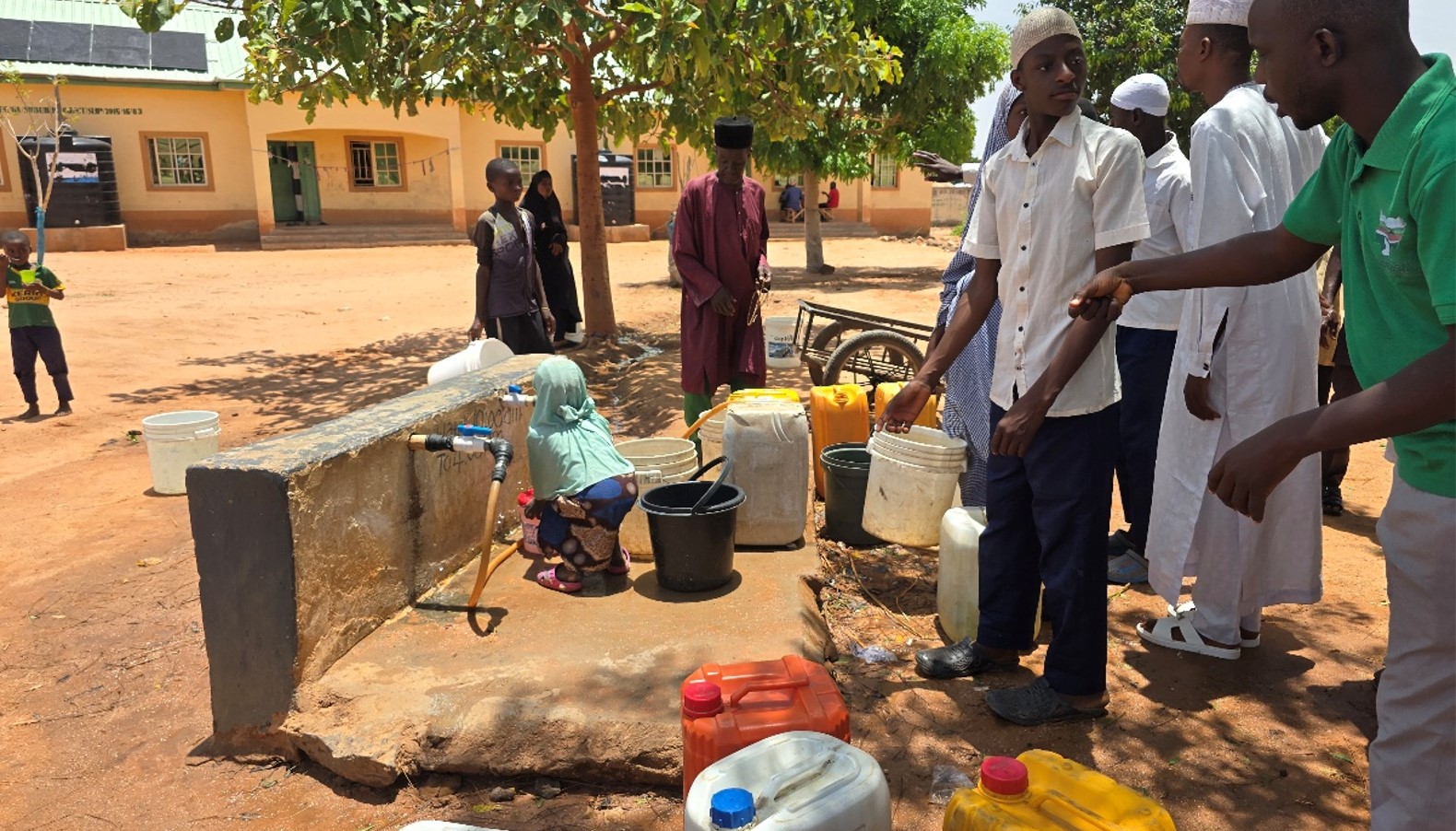
Students and community members drawing water at the completed borehole.
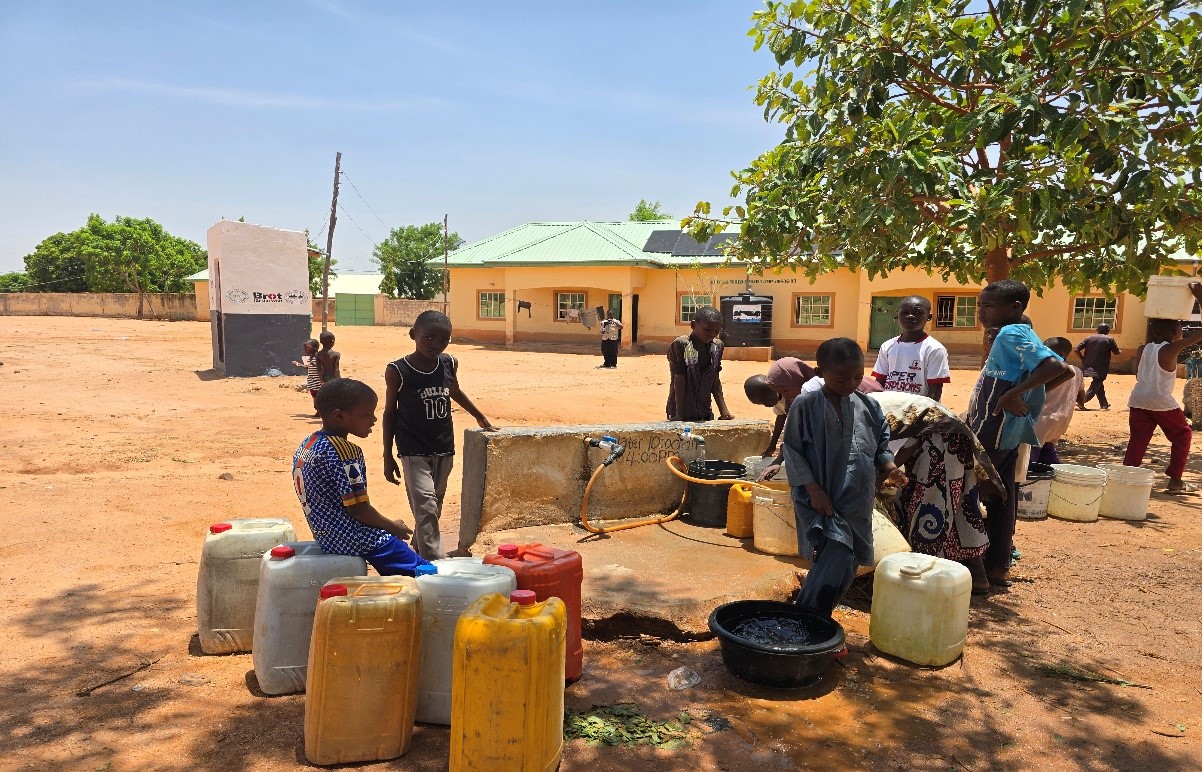
The renovated, solar-powered pump house, now fully operational.
35 screened, 25 trained, one savings group formed
Caregiver economic empowerment sits alongside the infrastructure work, not after it.
Thirty-five caregivers were screened for the empowerment track; 25 were selected and completed a 3-day training in financial management, marketing, and Village Savings and Loan Association (VSLA) practice. That training has already produced a functional VSLA with 25 active members, and the women have organised themselves into income-generating skill groups, with a target of a 5–10% increase in monthly income within four months.
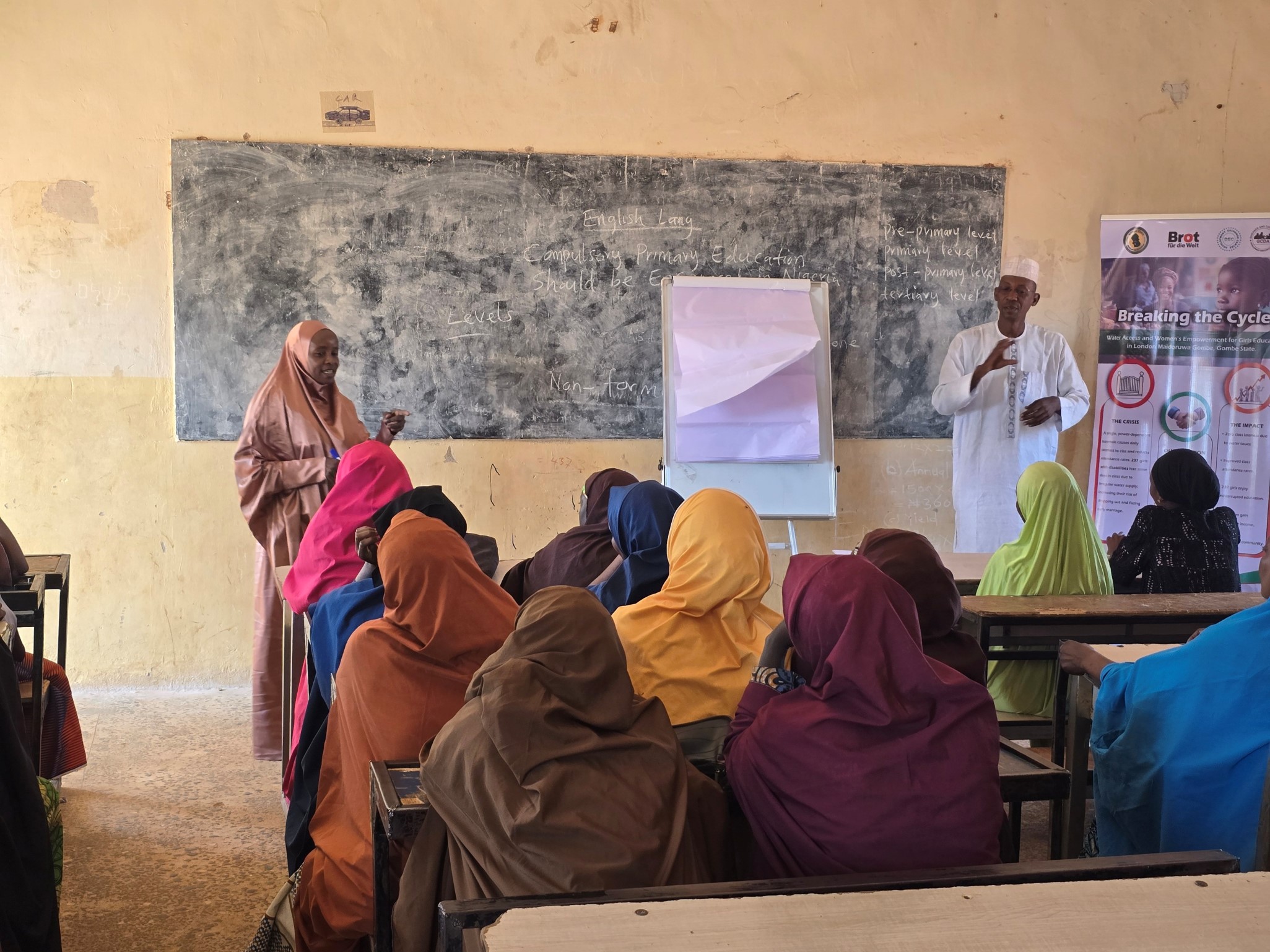
Training of women caregivers by Bait Arus Academy.
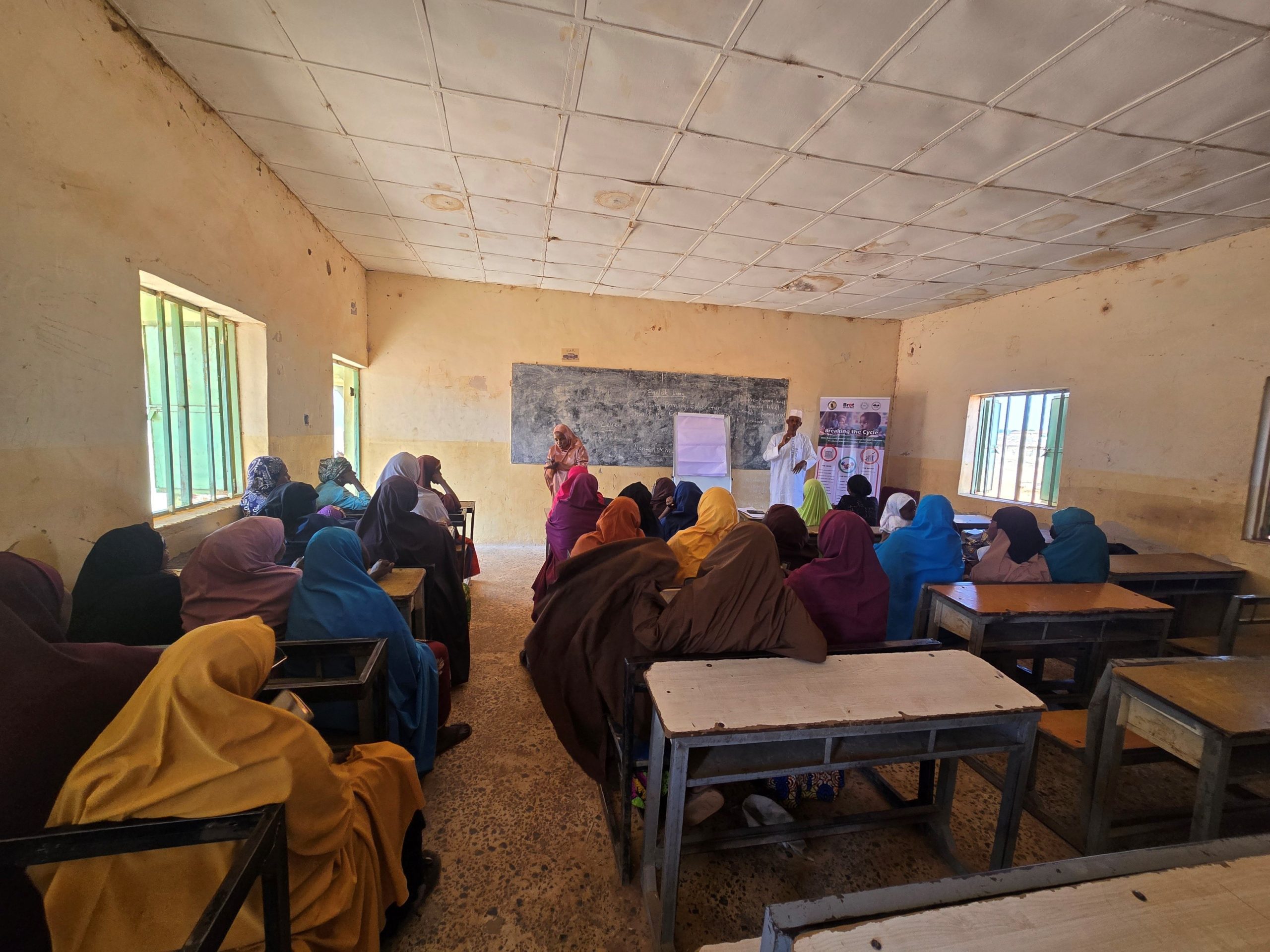
Caregivers working through financial management and VSLA sessions.
The group's momentum has already produced tangible support: a handing-over meeting for rice procured for the caregiver group marked an early, visible return on the training investment.
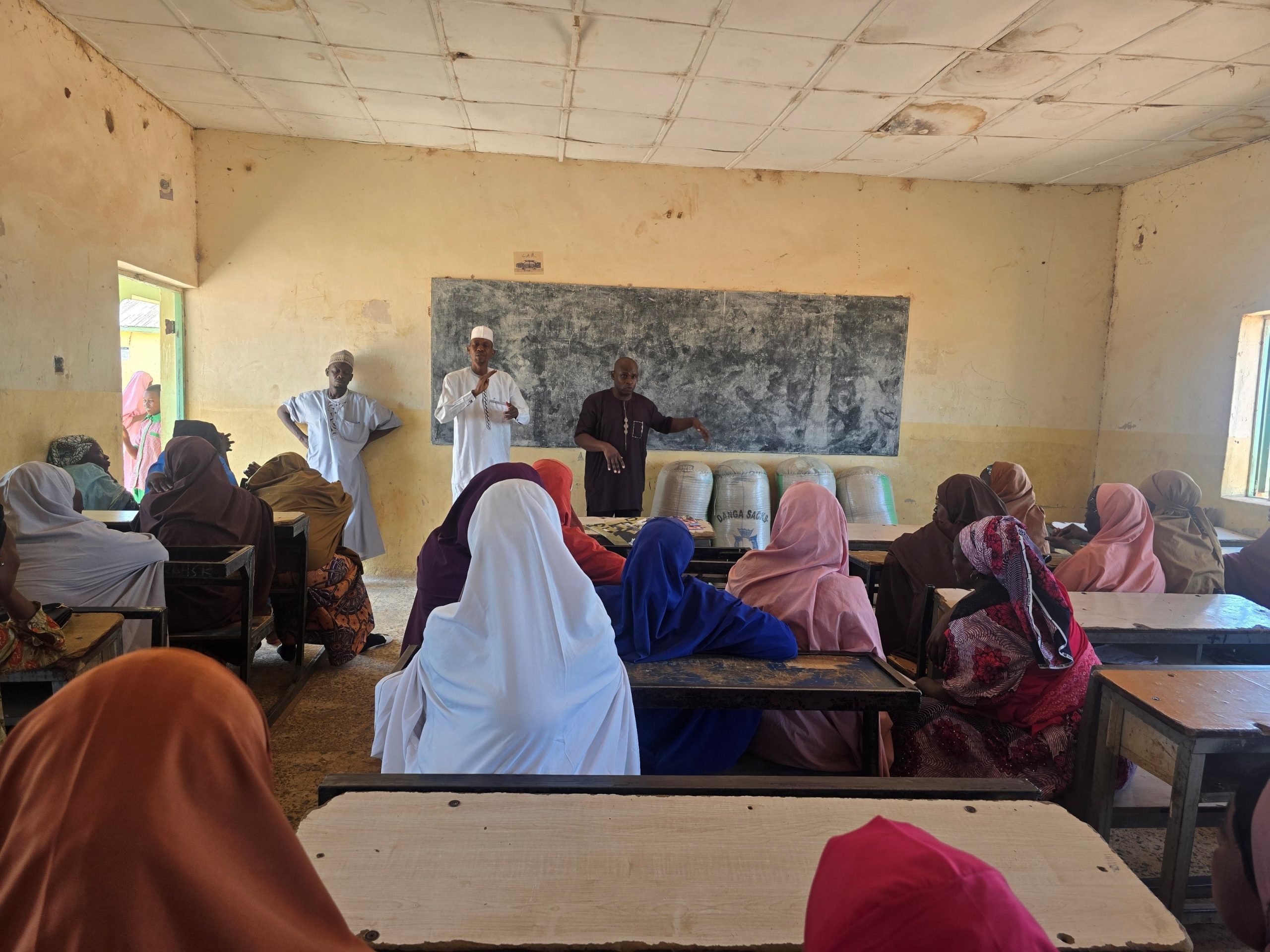
Handing over of rice procured for the caregiver group.
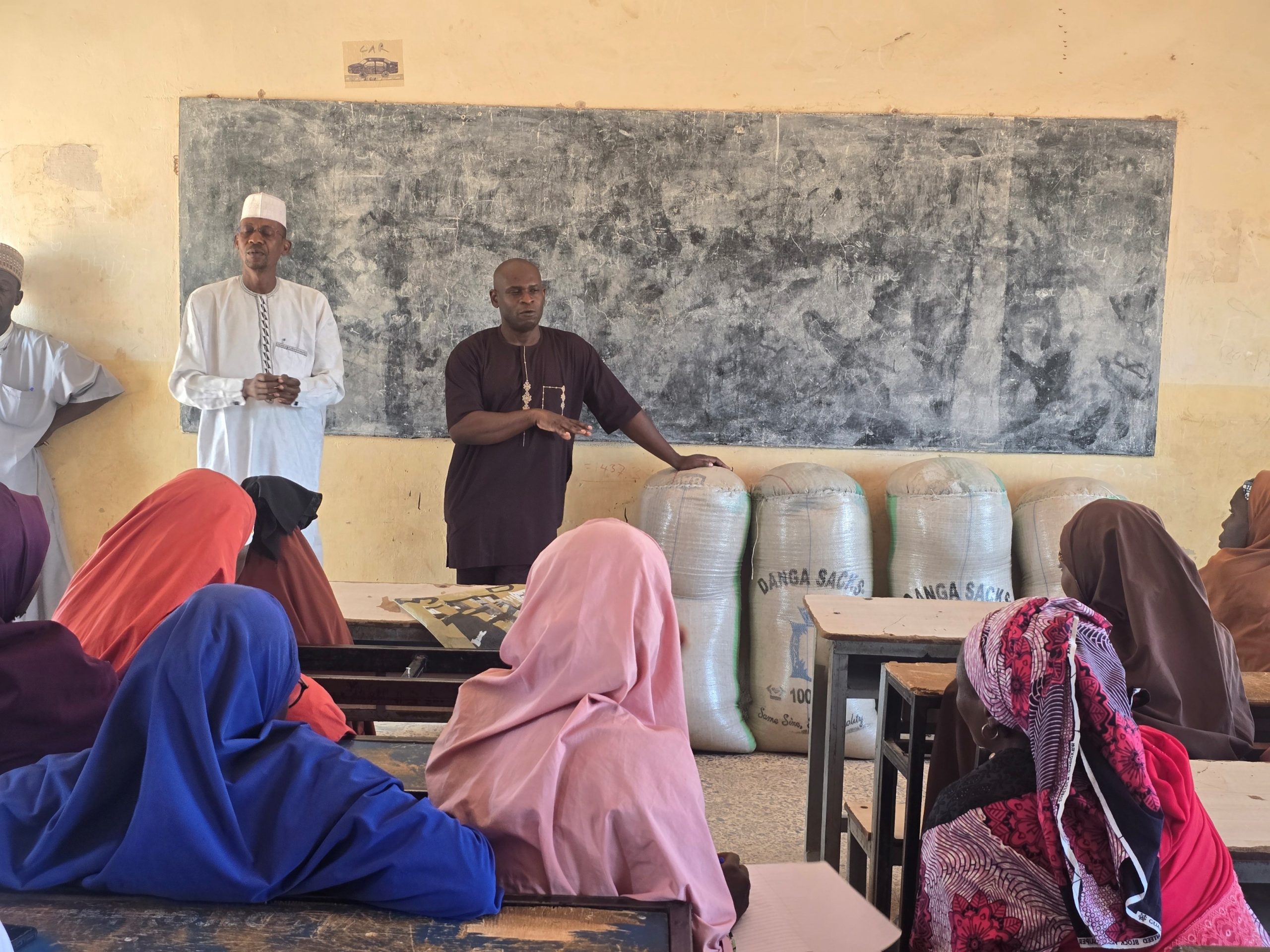
Caregivers receiving their allocation at the handover meeting.
Building structures that outlast the project
Five stakeholder groups, an 8-member maintenance committee, and a deliberate push for inclusion.
Sustainability was treated as a design requirement rather than an afterthought. Five stakeholder groups were engaged throughout: community leaders, school management/PTA, RUWASSA and the Ministry of Water Resources, and the Ministry of Education. An 8-member Water Infrastructure Maintenance Committee was trained on borehole operation and fault reporting, and community structures were deliberately built to include women, youth, and persons with disabilities.
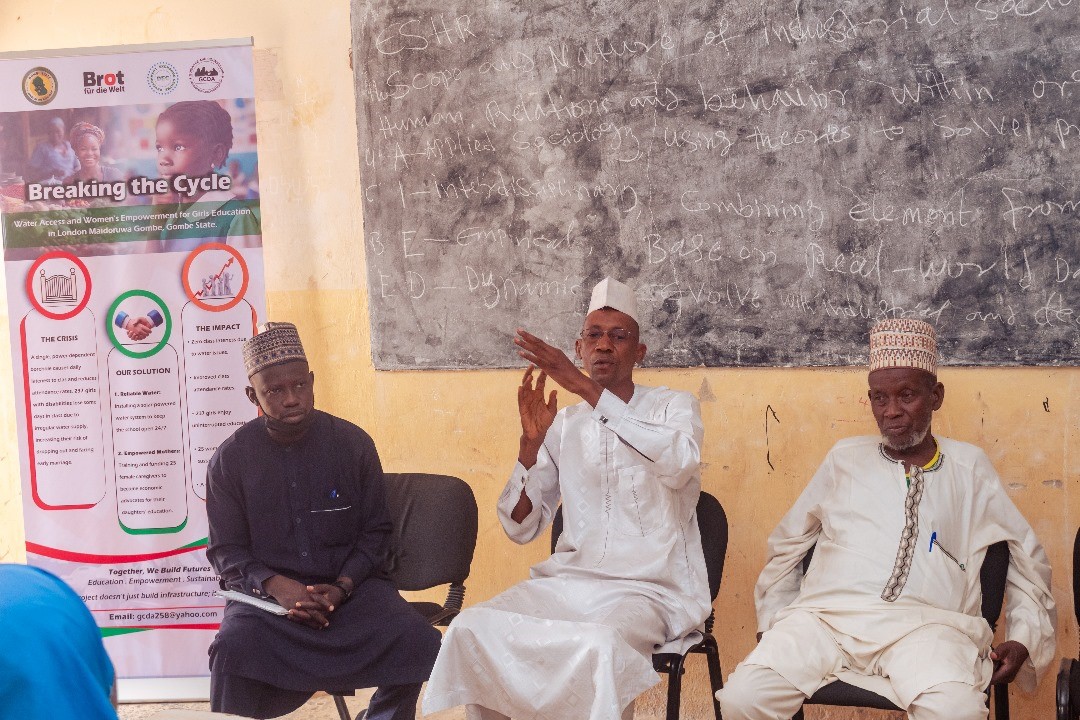
Deliberation during the Community Stakeholders Engagement Meeting.
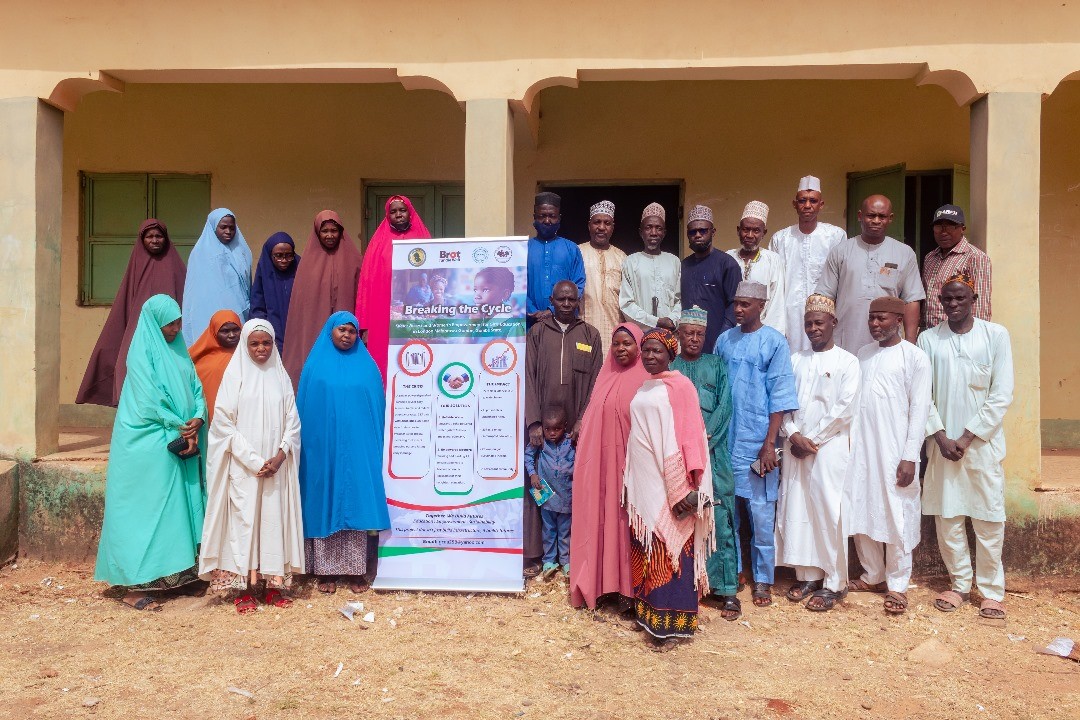
Group picture after the stakeholders engagement meeting at the Special Education Centre.
What changed: baseline vs. current status
Four indicators, tracked from the start of the project to now.
Lessons learnt for sustainability and scale
What the project team would carry into the next site.
Early engagement wins
Involving government ministries and community leaders early builds trust and prevents implementation delays.
Inclusive participation
Engaging women, youth and persons with disabilities in community structures increases ownership and long-term sustainability.
Technical partnerships
RUWASSA's involvement added credibility, technical expertise and alignment with state policies.
Infrastructure first
Reliable water access is a prerequisite — without it, other educational investments are undermined.
Carrying the momentum forward
In six months, London Maidoruwa's Special Education Centre moved from a water system that interrupted classes to one that runs around the clock, and from caregivers with no organised economic base to a functioning savings association with 25 active members. The project's own framing captures the throughline plainly: infrastructure and empowerment, built together, are what let girls stay in school.
What's next
Sustain the 8-member maintenance committee's oversight of the borehole · track caregivers toward the 5–10% monthly income target · keep the five stakeholder groups — community leaders, school management, RUWASSA, and the Ministries of Water Resources and Education — engaged as the model moves toward scale.
