A look at the progress shared at the 2025 Board of Trustees presentation on the Community-Oriented DMPA-SC Self-Injection Acceleration in Nigeria (CODSAiN) project — from rising contraceptive uptake to a growing network of community health influencers.
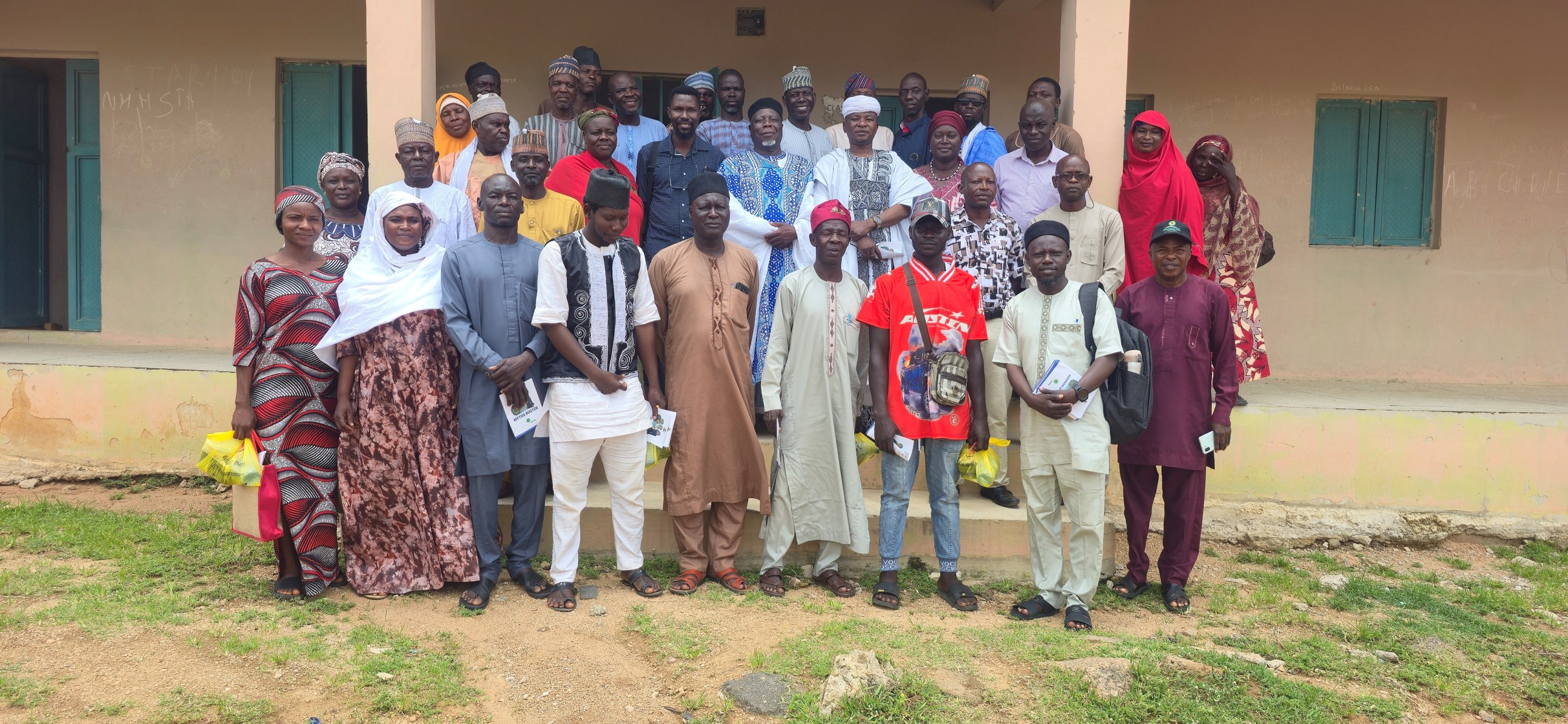
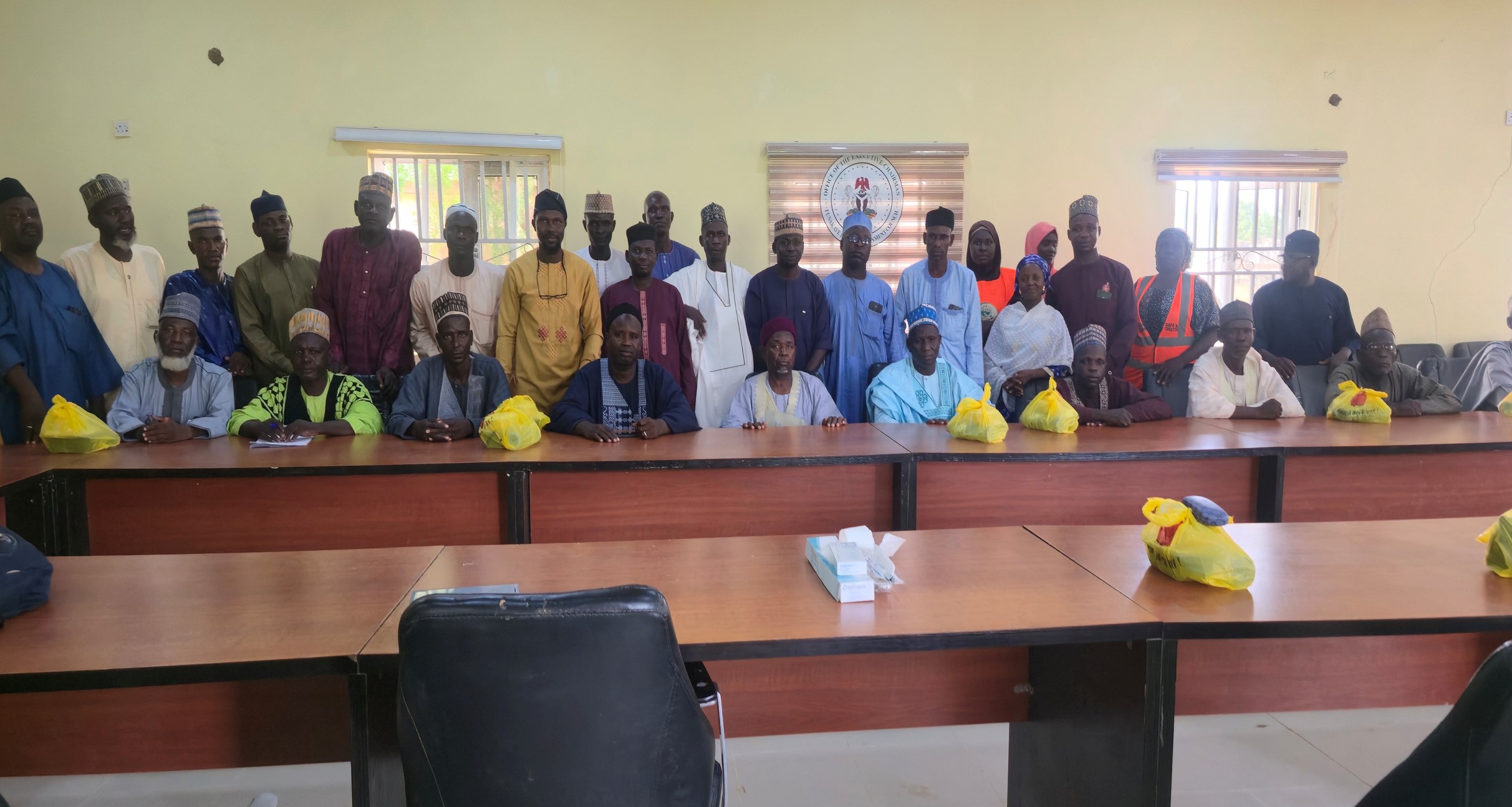
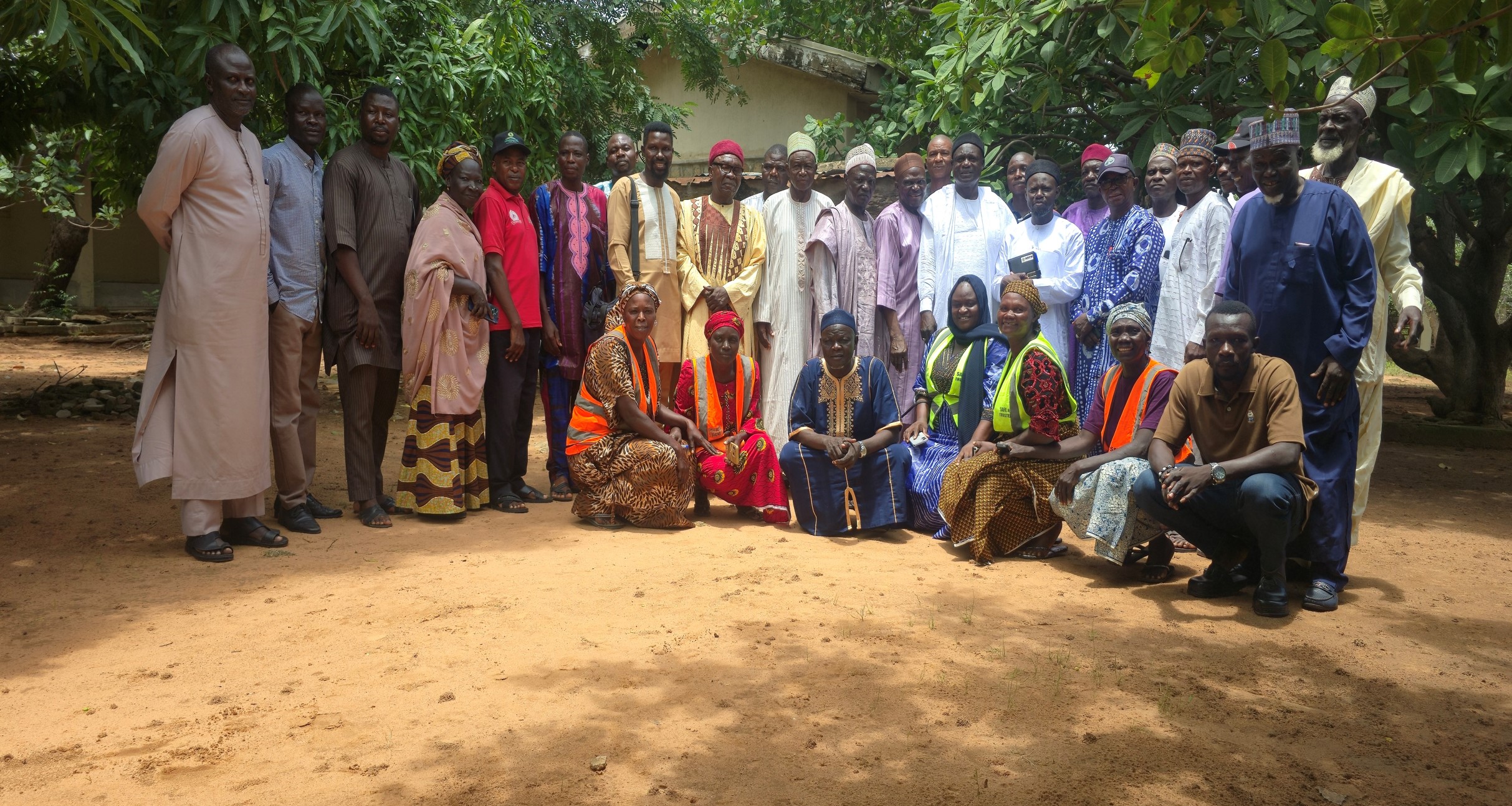
Community leaders and CHIPS agents at a myth-demystification meeting in Kaltungo LGA, part of CODSAiN's community engagement drive across Gombe State.
Across Gombe State, a quiet but steady shift is under way in
how women access family planning. Through the Community-Oriented DMPA-SC
Self-Injection Acceleration in Nigeria (CODSAiN) project, more women are
learning to administer their own contraceptive injections at home — safely,
confidentially, and on their own terms. The 2025 Board of Trustees presentation
laid out just how far this progress has come, spanning coverage, health
systems, community trust, commodity delivery, and the state's readiness to sustain
it all.
Wider Coverage, Deeper Trust
Steady growth in a state-wide self-care model, anchored by a
fast-scaling community workforce.
The numbers tell a clear story of expansion. Gombe State's Contraceptive Prevalence Rate (CPR) has climbed steadily, moving from 17.1% in 2018 to 31% according to NDHS data for 2023–2024. Behind that rise is CODSAiN's push for "self-care with confidentiality," delivered through Community Health Influencers, Promoters and Services (CHIPS) agents now present in all 11 Local Government Areas (LGAs) of the state.
In the 2024 reporting period, 72.9% of all self-injection initiations in the state were supported by just 55 CHIPS agents working across the 11 LGAs. That number has since doubled: by 2025, the CHIPS agent workforce grew from 55 to 110, a scale-up that has enabled the project to reach every single ward in Gombe State.
Strengthening the Health System From Within
Growth in coverage only holds up if the health system behind
it is strong.
CODSAiN's system-strengthening work has focused on building the skills and confidence of frontline providers. Over 300 Supportive Supervision Visits (SSV) were conducted to facilities, pairing on-the-job training (OJT) in data management with empathy-based counselling techniques, including Integrated Supportive Supervision Visits (ISSV). Separately, 84 facility providers received OJT on the Multi-Purpose Anatomical Practice Set (MAPS) for self-injection initiation.
These investments are already translating into more
responsive service delivery: home reach has increased following outreach
activities, driven in part by more flexible service hours that make it easier
for women to access care when it suits them
Communities Leading Their Own Conversations
Demand generation, myth demystification, and an unlikely new
set of allies.
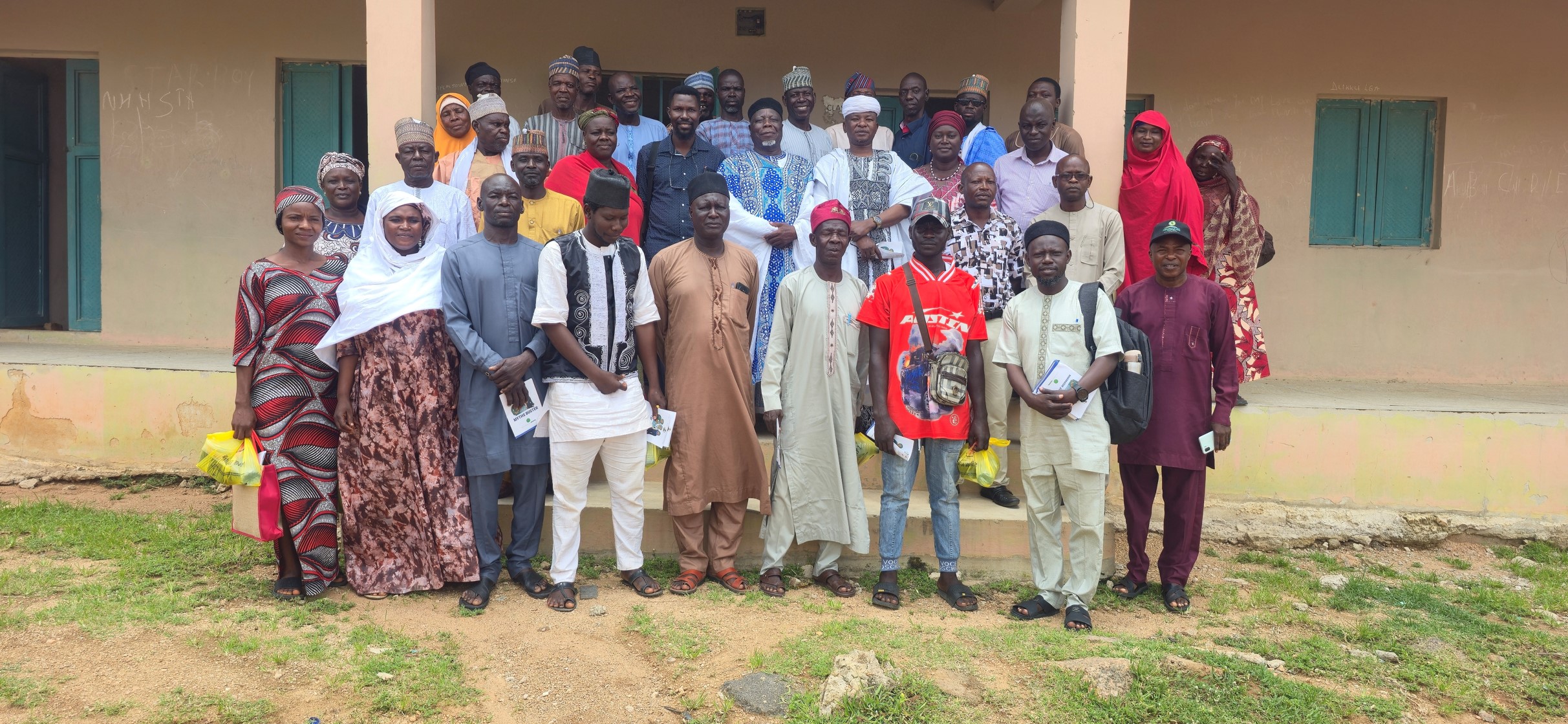
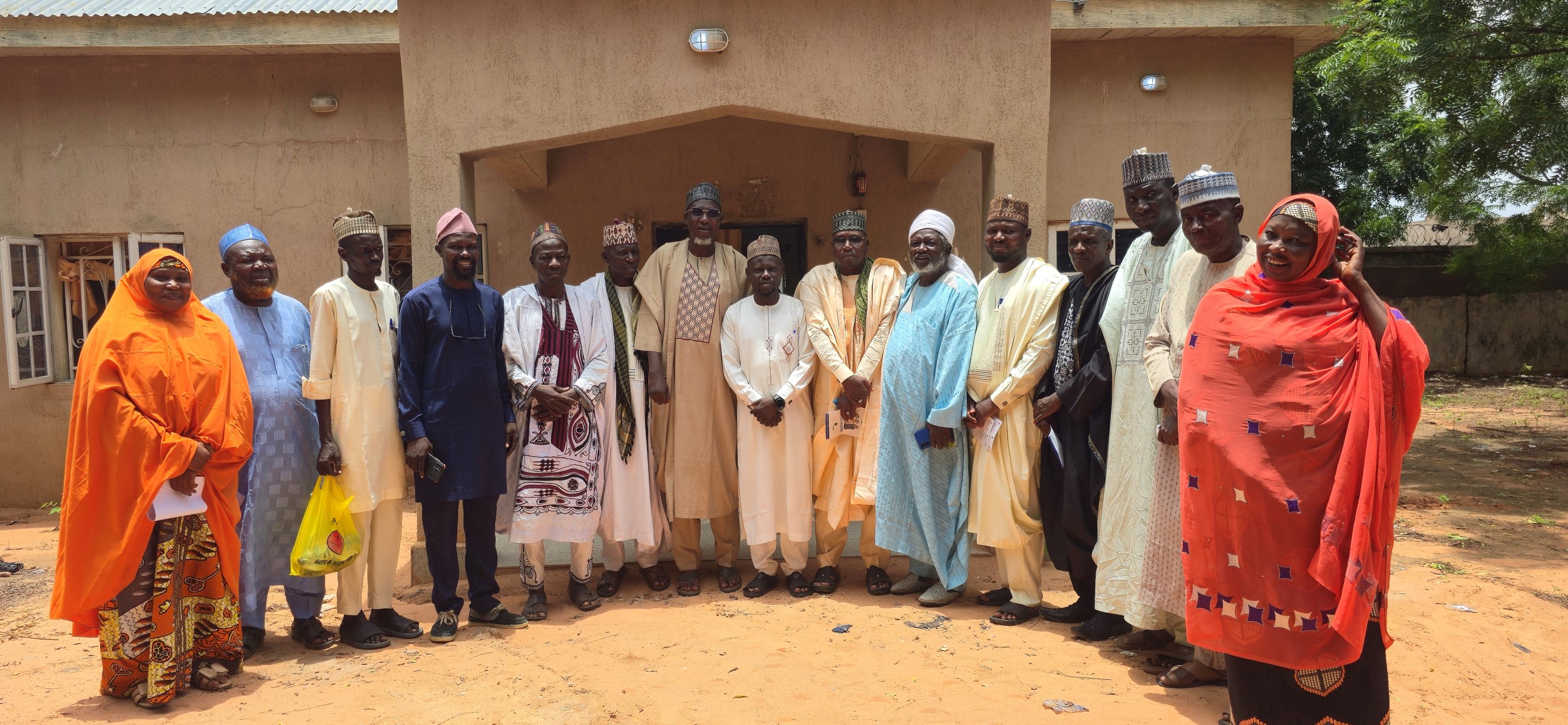
Perhaps the most striking shift has happened at the community level, where CODSAiN's demand generation work — outreaches and myth demystification meetings — has opened space for honest conversations about family planning. Wide-ranging stakeholder engagement for FP myth demystification was carried out across 7 LGAs, mobilizing 40 stakeholders including Ward Development Committee (WDC) members, community leaders, clergy, CHIPS agents, and LGA representatives. Household-level sensitization visits are now being planned and led by WDCs and community leaders themselves.
Religious leaders have emerged as unexpected but powerful
allies. Many have agreed to integrate sex education and youth counselling into
their sermons, arriving at a shared message:
On the capacity-building side, there is a standing
commitment to continuous provider training in empathy-based, informed-choice
counselling, with facility-level joint counselling sessions now expected to
cover infection control and spousal consent as well. Looking ahead, the project
has identified Mai Shayis — respected local figures — as peer champions to help
engage male partners in the conversation. A shared action-point tracker now
spans Billiri, Dukku, and Kaltungo LGAs to keep stakeholders accountable,
alongside plans for a high-level dialogue between facility managers and
community leaders to directly address lingering myths.
CORPS: Extending the Last Mile
Community Oriented Resource Persons keep commodities and
services moving.
Community Oriented Resource Persons (CORPS) have become a critical link in getting commodities and services to where they are needed most. In Gombe State, 110 CORPS now contribute significantly to overall family planning outcomes — a scale of impact that shows just how much community-based delivery models can carry when properly resourced.
uptake
commodities LMD
budget
Measuring Maturity: Where Gombe State Stands
A seven-domain scorecard tracks how sustainable this
progress really is.
To track how sustainable this progress is, CODSAiN scores Gombe State's family planning ecosystem across seven domains. The results show a system that is strongest in the areas closest to day-to-day service delivery — Data and M&E leads at 93.3%, followed by Service Delivery & Coverage and Supply Chain Management, both at 80%. Governance and Coordination, at 60%, stands out as the domain with the most room to grow, alongside Policy and Guidelines, Demand Generation & Social Behavioural Change, and Financing and Sustainability Mechanisms, each at 73.3%.
Recognition Along the Way
A nod from the next generation of pharmacy professionals
The project's work has not gone unnoticed. The team was honoured with an award by the Pharmaceutical Association of Nigerian Students (PANS), Gombe State University chapter — a nod of recognition from the next generation of pharmacy professionals for CODSAiN's contribution to community health.

Award presented to the CODSAiN team by the Pharmaceutical
Association of Nigerian Students (PANS), Gombe State University chapter.
Building on the Momentum
From an 11-LGA CHIPS agent network to a 110-strong CORPS
workforce, and from rising CPR figures to a maturing governance system,
CODSAiN's 2025 progress reflects what happens when community trust, provider
capacity, and commodity access are strengthened together.
What's next for CODSAiN
Deepen male engagement through Mai Shayis peer champions ·
sustain the shared accountability tracker across Billiri, Dukku, and Kaltungo ·
keep the dialogue between facility managers and community leaders open and
ongoing.
